I’ve been reading more into the link between activism and art/fashion, and Vogue as a really interesting article with examples of such. Below are some of the quotes I found more useful:
“And that was even before the #metoo dam had burst; or British women had woken up to the news that female BBC staff are paid, on average, nine per cent less than their male counterparts; or that, for women in their twenties, the gender pay gap has “significantly grown” in the past six years, according to data released by the Fawcett Society.“
Shocking facts – good persuasive writing.
“Fashion (or clothing; we can debate what we should call it) isn’t on the sidelines in this: it’s a constant ally in times of trouble, a medium open to infinite nuances of meaning in the hands of ingenious people to show their beliefs. “The more we are seen, the more we are heard””
“In the space of little over a year since Trump’s election, the subversive possibilities of visual communication in clothing have unleashed an astonishing, uplifting, do-it-yourselves level of creativity.”
The whole thing relates to the Punk’s way of creating a statement through fashion and a DIY aesthetic.
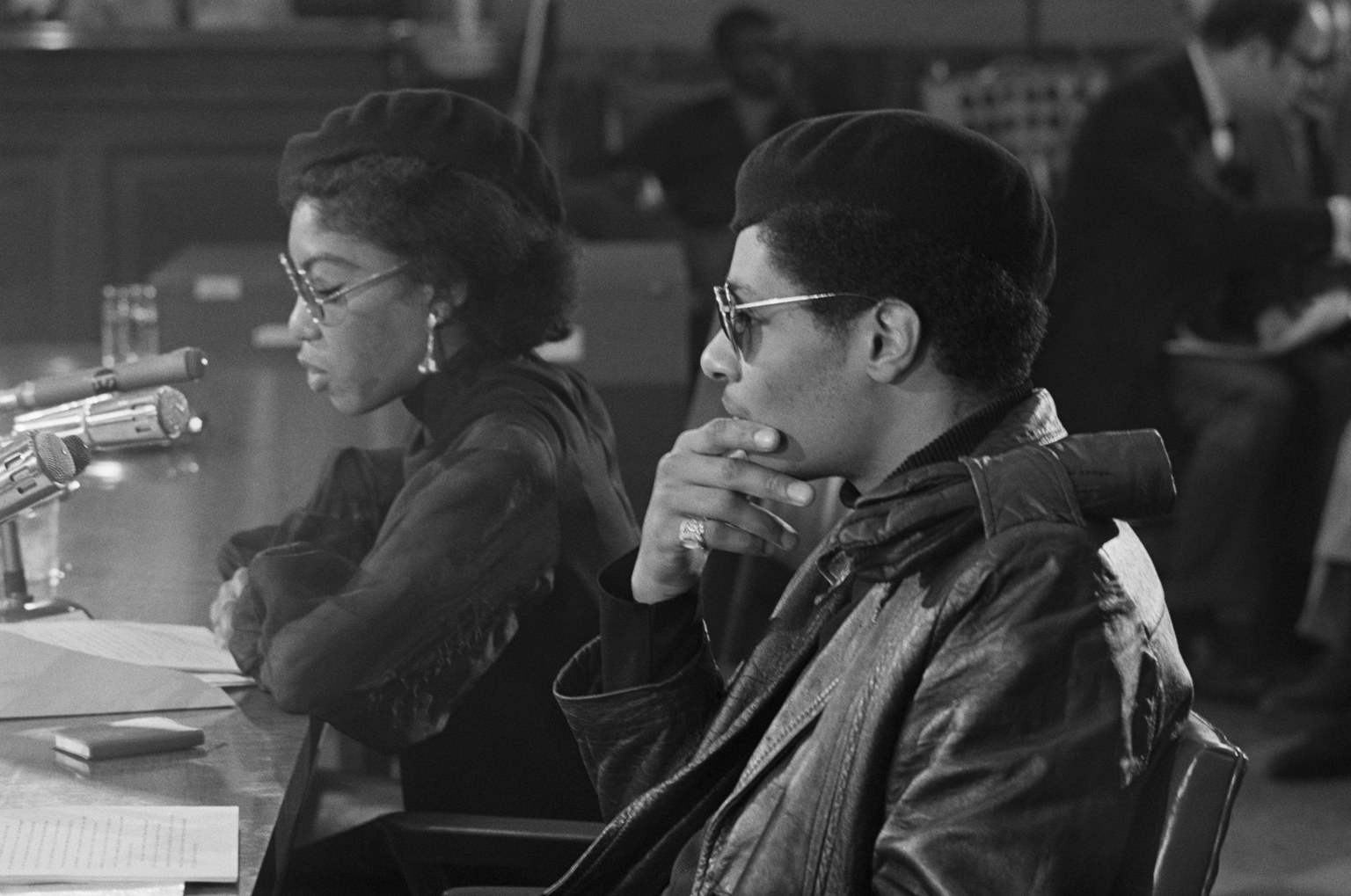
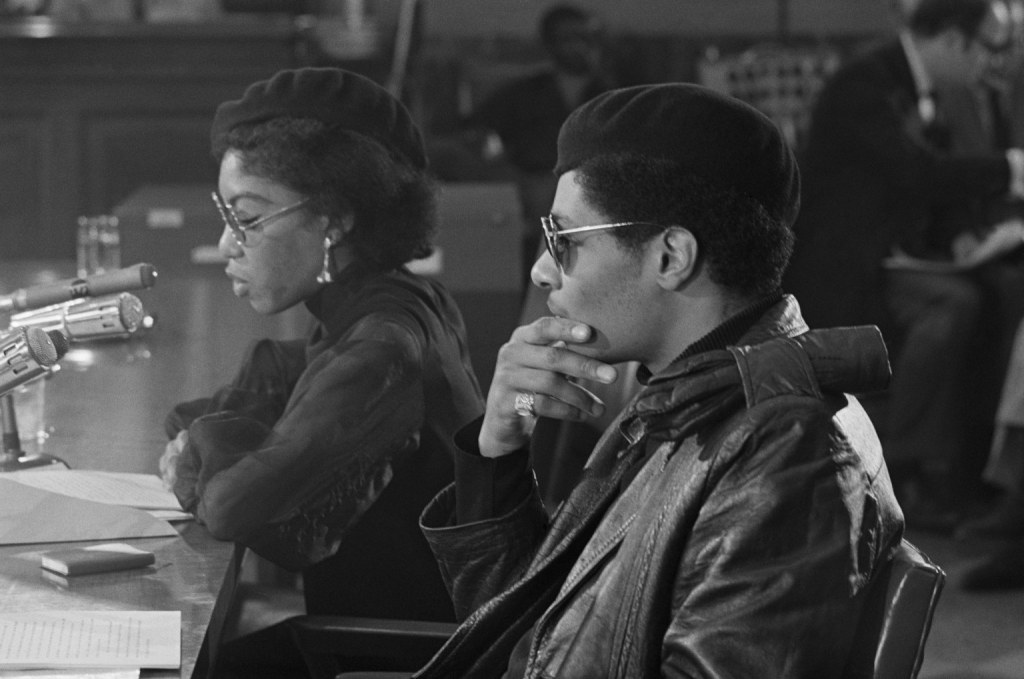
“Look around right now and you’ll see one very obvious example echoing the spirit of the 1960s and 1970s: the beret. The irrevocable symbol of the Black Panthers movement is out there and totally fashionable again, thanks to Beyoncé‘s sizzling channelling of the Panther’s uniform on her Angela-Davis-afro-haired feminist dancers at the Superbowl in February 2016 – visual imagery played against the backdrop of the Black Lives Matter movement. A few months later Maria Grazia Chiuri(another fashion feminist-in-chief) put leather berets designed by Stephen Jones with every look on her Dior catwalk. “Suddenly, it was the balance and counterpoint to the clothes,” Jones remembers. “She saw it could look like an army of strong, independent women, on their way.””
A great example of using styling and fashion to communicate a message in a subtle but powerful way.
“Go back to the bold slogan T-shirt graphics, for a start – they were forged by the original anti-war eco-warrior designer-campaigner, Katherine Hamnett. The peace symbol – horrendously back in currency as thermonuclear war threatens – was designed by RCA graduate Gerald Holtom for the Campaign for Nuclear Disarmament in 1958. The Gay Pride rainbow – cemented forever as the symbol for LGBTQ identities – was designed by American artist Gilbert Baker in 1978.”
I might be cool to create a new symbol for the message I want to put across and use it throughout the zine?
“Hamnett is back again, with her “Cancel Brexit” T-shirt campaign, and reissuing her sustainably sourced cottonBrexit and silk designs from the 1980s through her website. The story of how she made the anti-nuclear-missile “58 per cent don’t want Pershing” T-shirt, with which she confronted Mrs Thatcher at Downing Street reception in 1984, is a priceless piece of fashion history.”
Another example of fashion being used as a statement in a bold and shocking way, in the form of another classic graphic tee.
“They are, of course, only following in the honourable tradition set over a century ago by the suffragettes, who harnessed fashion, and the meaning of colour, as methods of communication in the early days of photography. In 1980, Emmeline Pethick-Lawrence devised the scheme of purple for dignity, white for purity and green for hope – branding for the cause, which triggered Liberty and Selfridges to start selling ranges of tricolour ribbon, underwear, bags and soap.”
Something as simple as colour could be used in my styling or photography set to connote my message, as the Suffragettes did.
Source:
 time to change