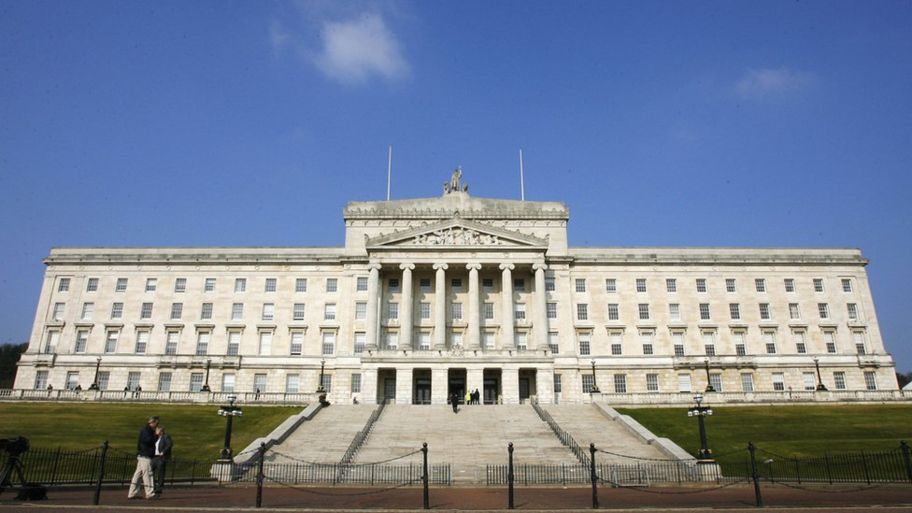
One of the most important things to know about Northern Irish politics right now, is that since January 2017, Northern Ireland has basically had no government, raising a number of issues with new laws being passed and money. This occurred when Deputy First Minister Martin McGuinness resigned due to disagreements with First Minister Arlene Foster over a renewable heat incentive scandal. The two come from different parties (the former from Sinn Fein, the latter the DUP/Democratic Unionist Party) and are part of the Northern Ireland Executive. The Northern Ireland Executive is the devolved government of Northern Ireland, a branch of the legislature – the Northern Ireland Assembly (based in Stormont). It answers to the assembly and was established according to the terms of the Northern Ireland Act 1998 which followed the Good Friday Agreement.
The two had been having disagreements for a while before this, mostly over whether Arlene Foster ran things badly or not. When Martin McGuinness, who had been Deputy First Minister since Sinn Fein and the DUP agreed to share power back in 2007, left, Sinn Fein refused to appoint anyone to replace him which meant new elections had to take place. Under Northern Ireland’s power sharing agreement, Arlene Foster lost her role as First Minister due to what happened. Martin McGuinness died in March 2017 due to an illness.
Elections held in March 2017 showed the DUP and Sinn Fein as the two largest parties in Northern Ireland, which meant they had to reach an agreement to form a new government, which still to this day has not happened.
There’s talk of Westminster stepping in and taking back some power in Northern Ireland, but so far this hasn’t happened either.
Source:
 time to change